Rugby Prop Bets: A Market-by-Market Guide to Proposition Wagers
 Available in US
Prop Bets Let You Bet on the Game Inside the Game
I have a confession: the bet I enjoyed most in my entire career was not a handicap or a totals play. It was a penalty-count over in a Champions Cup quarter-final. Both packs were famously ill-disciplined, the referee was known for a short fuse, and the line was set at 22.5 total penalties. It sailed over before the hour mark. That is the beauty of prop bets — they let you isolate one specific dimension of a rugby match and bet on your expertise in that dimension alone.
Proposition bets — props — are any wagers that do not relate directly to the final match result. They cover everything from total cards to individual player stats, from race-to-points markets to conversion totals. In both Rugby Union and League, prop markets have expanded significantly over the last five years as bookmakers respond to demand for more granular betting options. The expansion creates opportunity for bettors who understand specific aspects of the game better than the market does.
Penalties, Cards and Discipline Markets
Discipline markets are my favourite prop category because they are driven by data that most casual bettors ignore entirely. Sportradar monitors over 1,000,000 sporting events globally, tracking disciplinary data alongside performance metrics, and that same data is available in summarised form through public match reports. The bettors who use it are a small minority — which is exactly why the market remains inefficient.
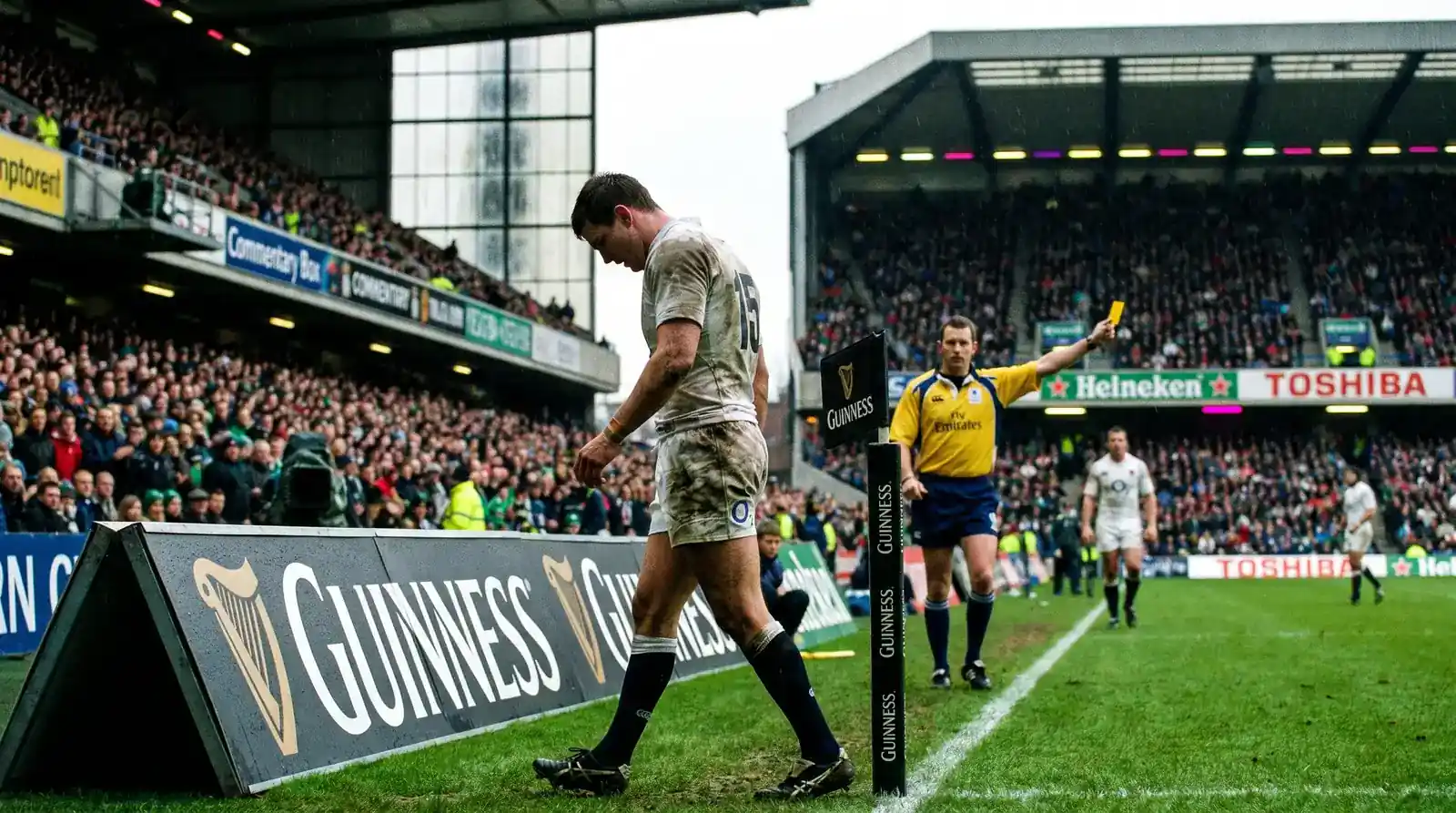
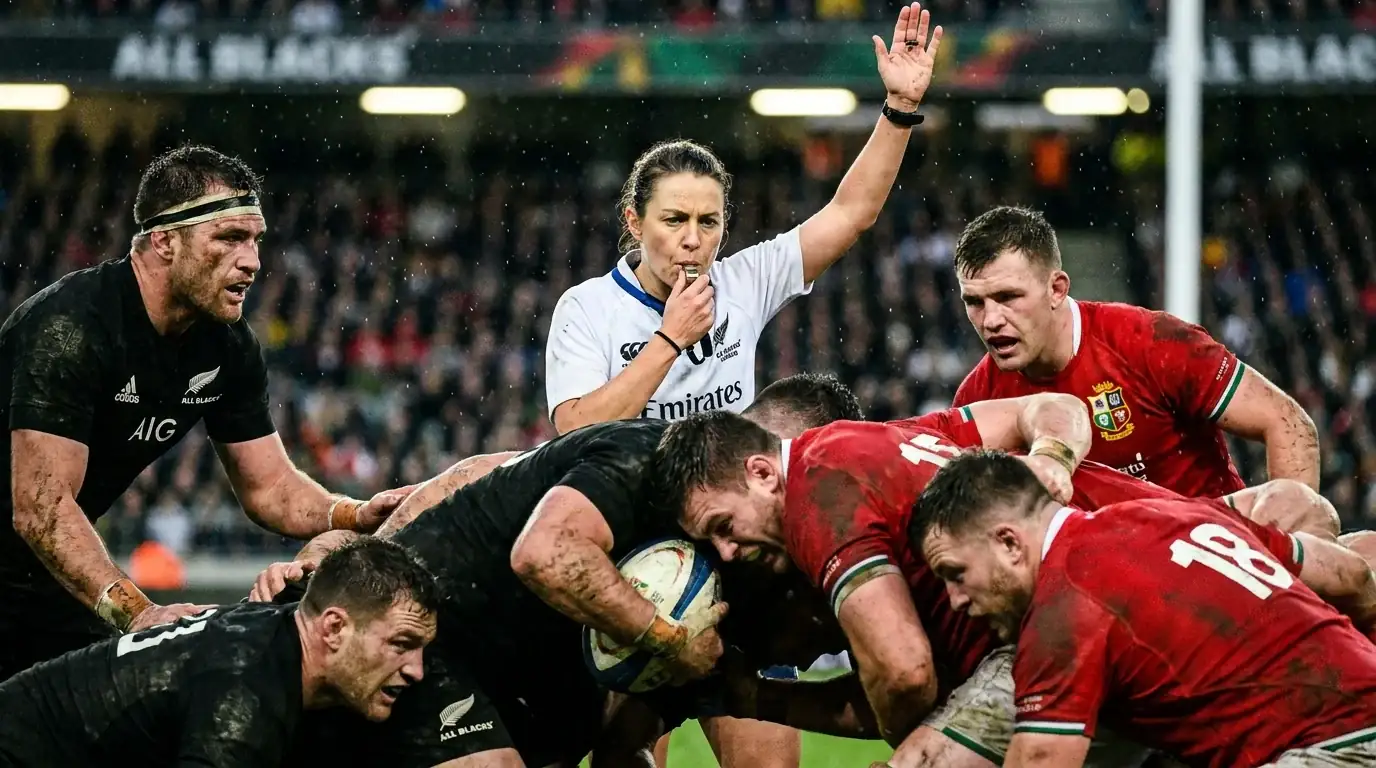
Total penalties is the most common discipline prop. The bookmaker sets a line — typically between 20.5 and 26.5 for a Union match — and you bet over or under. The variables that drive penalty count are well-documented: referee tendencies, team discipline records, the physicality of the matchup, and whether the fixture carries emotional intensity (derbies, rivalries, knockout matches all produce more penalties). I maintain a referee database tracking average penalty count per match for every Premiership and international referee. When a high-count referee draws a fixture between two ill-disciplined sides, the over on penalties is one of the most reliable prop bets in rugby.
Yellow-card markets ask whether a specific number of cards will be shown. Some bookmakers offer over/under on total cards; others offer a simple yes/no on whether any card will be shown. The Six Nations 2025 averaged 55 points per match, but those points came alongside a steady stream of penalties and cards in the more physical fixtures. Card markets are volatile — a single reckless tackle can produce a card in an otherwise clean match — but the variance is partly offset by the prices, which tend to be generous because bookmakers build in extra margin to account for the unpredictability.
For League-specific discipline, the sin-bin is the relevant market. Rugby League uses a ten-minute sin bin more aggressively than Union, and the frequency of sin-binnings per match creates a tradeable data set. Teams with high infringement rates in the ruck and marker area accumulate sin-bin minutes predictably, and that predictability is your edge.
Race to 10/20 Points and Other Momentum Props
Race-to-points markets are pure momentum bets. The bookmaker asks which team will reach 10 or 20 points first, or whether either team will reach the specified total at all. These markets are fascinating because they reward understanding of opening-game tactics rather than full-match form.
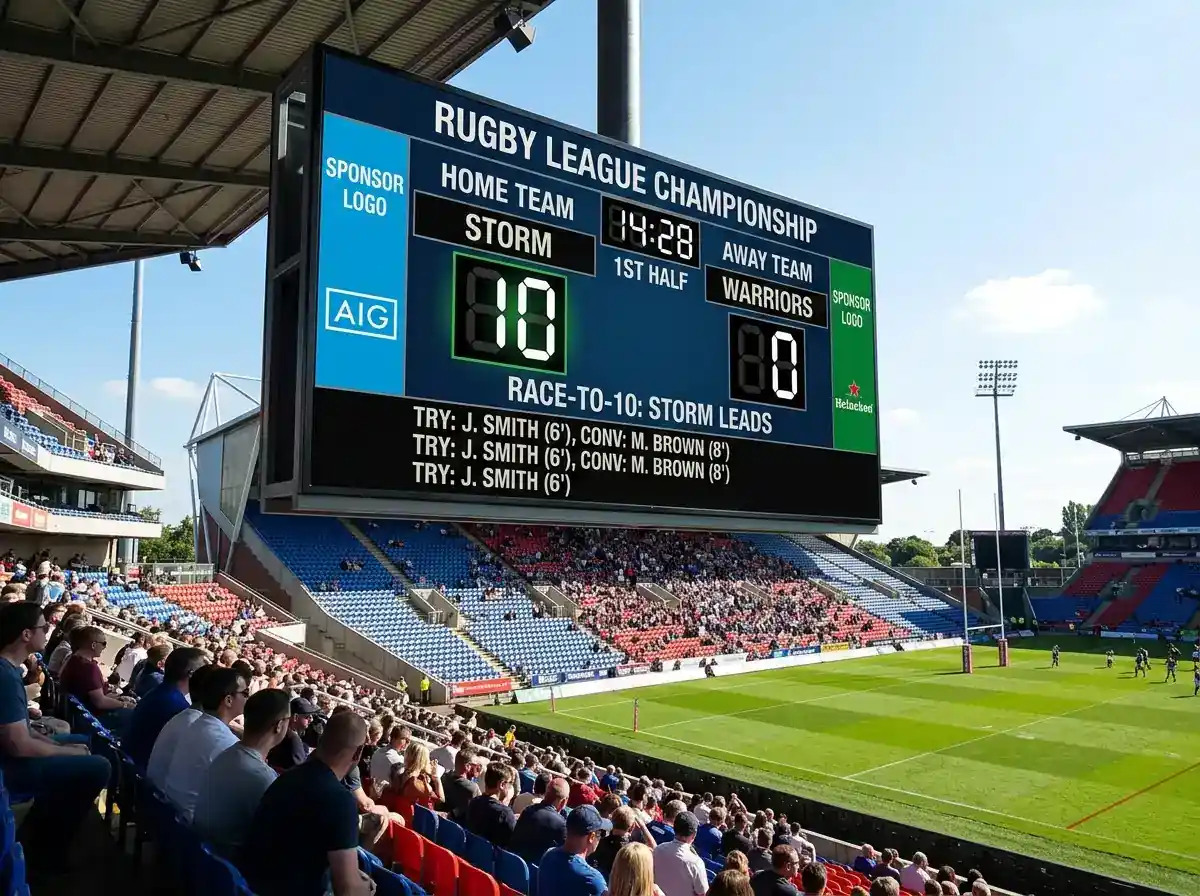
Some teams are consistently fast starters. They score early through rehearsed set-piece moves, aggressive kick-chase pressure, or early territorial dominance. Others are slow starters who build into matches, scoring their points in the second and third quarters. If you track first-quarter scoring patterns — points scored in the first 20 minutes — you will find that certain sides reach 10 points first in 60-70% of their matches. That is a strong enough signal to bet on, provided the bookmaker’s implied probability sits below your assessed probability.
Race to 20 is a different proposition because it requires sustained scoring, not just a fast start. A side that scores a penalty and a converted try inside 15 minutes has reached 10 points but still needs 10 more to reach 20 — and the second phase of scoring depends on the match developing in their favour. I find race-to-20 markets harder to predict consistently but more rewarding when the analysis is right, because the odds are longer and the margin per bet is larger.
The “neither” option in race-to-points markets — the possibility that neither team reaches the specified total — is the hidden value selection. In tight, low-scoring matches played in poor weather, neither side reaching 20 points is a realistic outcome, and the “neither” price is often longer than it should be because casual bettors default to picking one of the two named sides.
Conversion and Penalty-Goal Totals
Goal-kicking props are a niche within a niche, but they reward specialisation. Bookmakers offer markets on total successful conversions, total successful penalties and total points from the boot. These markets are directly connected to the match environment: weather, kicking quality of the designated kickers, and the expected try count.

In a match where three or four tries per side are expected, the total conversions line might sit at 4.5 or 5.5. If one side’s first-choice kicker has a season conversion rate of 85% and the other side’s kicker converts at 70%, you can model the expected conversion total with reasonable precision. Where the weather is dry and both kickers are in form, overs on conversions can be a strong play. Where rain or wind is expected, under on penalty goals becomes attractive because kickers attempt more penalties in territorial matches but convert fewer when conditions degrade.
The connection between kicking props and bet-builder functionality is worth noting. Many bookmakers allow you to combine a match-winner selection with a kicking prop in a single bet. If you believe a side will win and its kicker will convert four or more penalties, you can combine those selections at enhanced odds. The rugby bet builder guide covers how to structure those combinations without falling into correlation traps.
Where Props Fit in a Broader Betting Strategy
I allocate roughly 20-25% of my seasonal rugby bankroll to prop markets. They are not my core activity — handicaps and totals generate more consistent returns — but they add diversification and exploit information advantages that mainstream markets do not reward. The key discipline is to treat props as data-driven selections, not entertainment bets. Every prop bet I place goes through the same process as every handicap bet: assess the probability, compare to the implied probability in the odds, and act only when positive expected value exists.

What is a race-to-10-points bet in rugby?
A race-to-10-points bet asks which team will be the first to score 10 points in the match. Most bookmakers also offer a ‘neither’ option for matches where one or both sides might not reach 10. The market rewards knowledge of opening-game tactics and fast-starting tendencies rather than full-match form analysis.
Are rugby prop bets available in-play?
Some prop bets are available in-play, particularly total penalties, next scoring method and cards markets. However, in-play prop availability varies between bookmakers and is generally narrower than pre-match offerings. Higher-profile matches — internationals and televised domestic fixtures — tend to have the widest in-play prop selection.
Written by the editors at Rugby Betting Tips.