Rugby Bet Builder: Combining Selections Within a Single Match
 Available in US
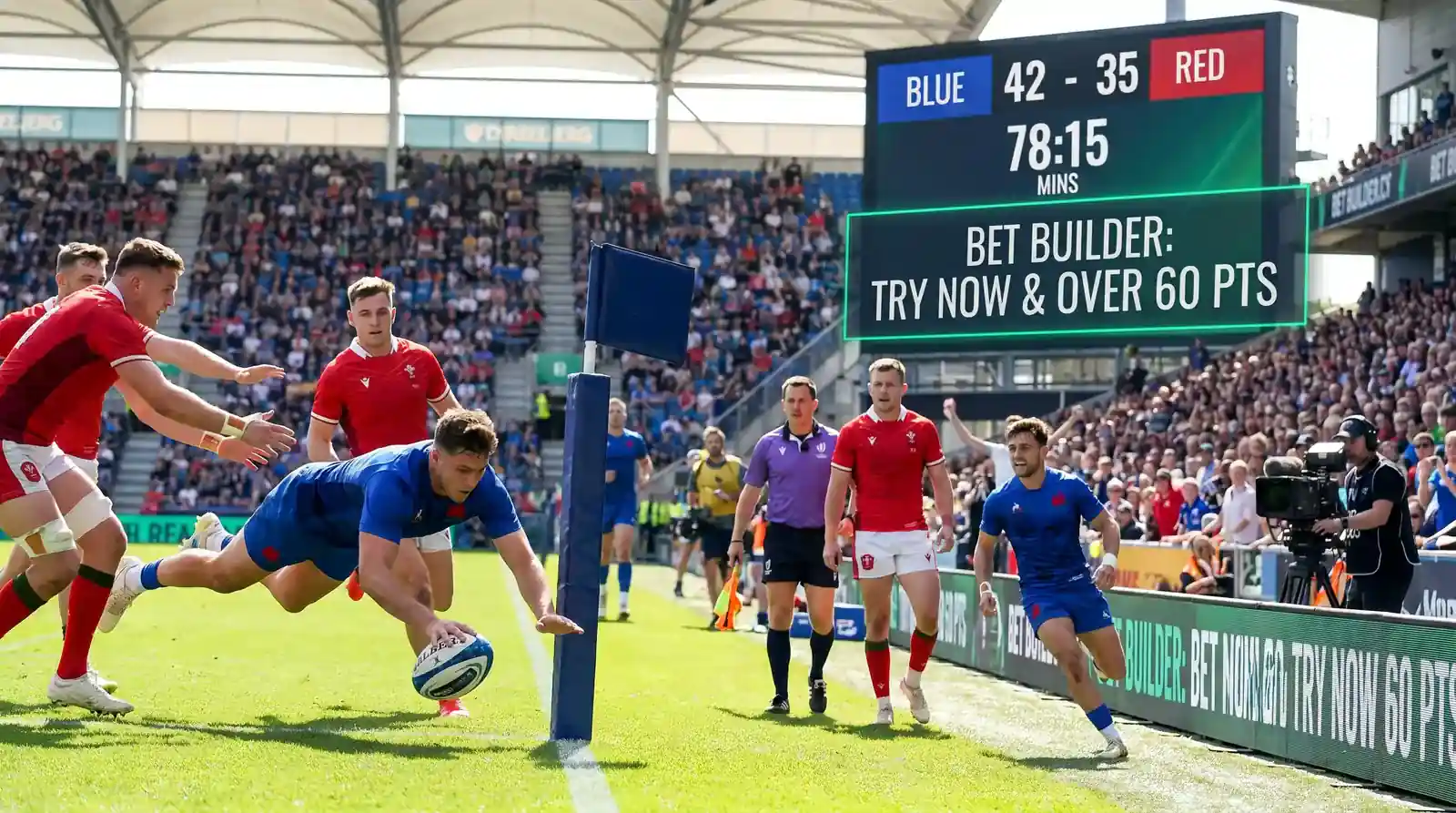
Bet Builders Are Accumulators Inside a Single Match — With Extra Margin
The first time I built a rugby bet builder, I combined a match-winner, an anytime tryscorer and an over-on-total-points selection. The combined odds looked generous. Then I stripped out the implied probabilities and discovered the overround on my three-leg combination was north of 40%. The individual selections might have been sound, but the price I was paying to combine them wiped out any edge I had identified. That was the day I learned that bet builders are a product designed to look attractive while charging premium margin.
A bet builder — also called “build a bet,” “same game multi” or “request a bet” depending on the operator — allows you to combine multiple selections from a single match into one wager. The appeal is obvious: instead of placing three separate bets, you place one at combined odds. The problem is equally obvious once you understand the pricing: the bookmaker charges a margin on each leg, and those margins compound. Sports betting accounts for 57.1% of UK online gambling revenue, and bet builders are among the highest-margin products within that segment.
None of this means bet builders are always a bad bet. It means they require more careful analysis than a standalone selection. If you understand how the pricing works and which combinations genuinely offer value, bet builders can be a profitable part of your rugby betting portfolio. The key is knowing where the margin hides and which selections interact in ways the bookmaker has not fully accounted for.
How Bookmakers Price Bet Builder Combinations
Each leg of a bet builder is priced independently, with its own margin. The combined odds are then calculated by multiplying the individual decimal odds of each leg — but with an additional correlation adjustment that the bookmaker applies to the overall price.

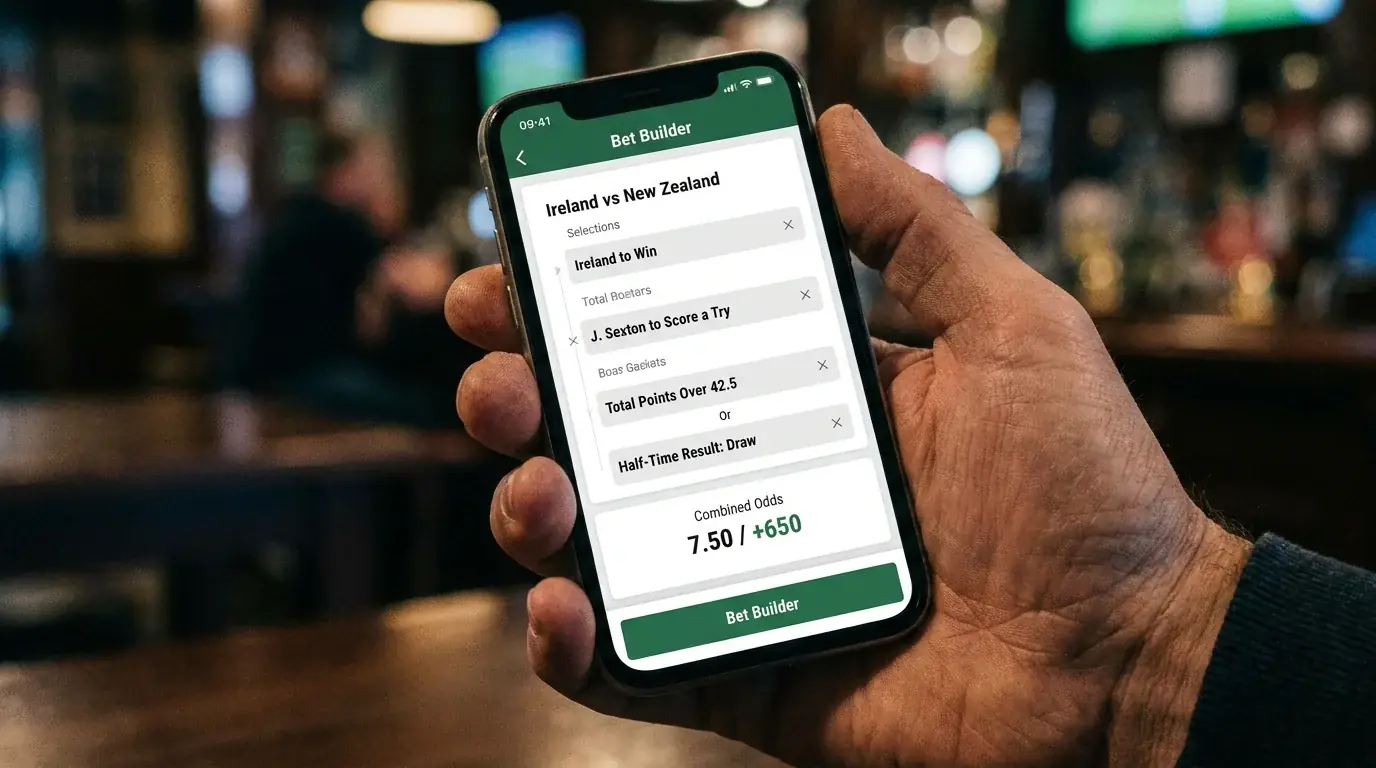
That correlation adjustment is the critical detail. In a standalone accumulator across different matches, the outcomes are independent — the result of one match does not affect another. In a bet builder, the selections come from the same match, which means they are often correlated. If you combine “over 45.5 total points” with “anytime tryscorer: left winger,” those two outcomes are positively correlated. A high-scoring match produces more tries, which increases the probability of any specific player scoring. The bookmaker adjusts for this by shortening the combined price.
The adjustment is not always accurate. Bookmakers use algorithmic models to estimate correlations between selections, and those models are imperfect. Sometimes they over-adjust for correlation, making the combined price shorter than it should be. Sometimes they under-adjust, leaving value in the combination. The bettors who profit from bet builders are the ones who understand which selection pairs are over-adjusted and which are under-adjusted.
My rule of thumb: if two selections are obviously correlated to a casual observer, the bookmaker has almost certainly adjusted adequately. But if the correlation is subtle — visible only through detailed match analysis — the adjustment may be insufficient, and value exists.
Combinations That Work — and Those That Secretly Conflict
The Six Nations 2025 averaged 55 points per match, which means high-scoring environments are common in top-tier rugby. In those environments, certain bet-builder combinations align naturally while others conflict in ways that are not immediately obvious.


Combinations that tend to work: a match-winner selection paired with a handicap margin. If you believe a side will win and you also believe they will win by more than 10 points, those selections reinforce each other. The match-winner leg provides the baseline, and the handicap leg adds specificity that the bookmaker prices as a separate event. The correlation adjustment is moderate because the bookmaker knows the two are linked, but the value comes from your conviction about the margin being underestimated.
Another strong combination: a totals over paired with an anytime tryscorer. In a match you expect to be high-scoring, the tryscorer leg benefits from the same conditions driving the over. But the bookmaker’s correlation model treats the tryscorer as a player-level event and the total as a match-level event, and the adjustment between the two is often conservative.
Combinations that secretly conflict: a match-winner paired with the other team’s player to score a try. On the surface, this seems fine — the winning side’s opponent can still score a try in a losing effort. But if you are backing a comfortable win, the losing side’s scoring opportunities diminish as the margin grows. Your match-winner confidence and your tryscorer selection are pulling in opposite directions, and the combined price does not compensate adequately for that tension.
The worst combination I see regularly: a low-total (under) paired with a tryscorer. Fewer total points means fewer tries, which means a lower probability of any specific player scoring. These selections actively work against each other, and the combined odds make the bet look attractive precisely because the underlying probability of both legs landing simultaneously is lower than the price suggests.
Bet Builder vs Multi-Match Accumulator: When to Use Each
Bet builders and traditional accumulators serve different purposes, and choosing between them depends on the nature of your analysis.

Use a bet builder when your edge is match-specific — when you have a strong view on multiple dimensions of a single fixture. If you have analysed a Premiership match and believe the home side will win, the total will go over, and a specific forward will score from a maul, that is a match-specific thesis that belongs in a bet builder. The combined odds express a multi-dimensional view of one contest.
Use a multi-match accumulator when your edge is spread across fixtures — when you have identified value in several different matches but do not have a multi-dimensional view of any single fixture. A Saturday afternoon acca combining handicap picks from three separate Premiership matches keeps each selection independent, which avoids the correlation pricing that bet builders impose. The rugby accumulator tips guide covers how to structure multi-match accas effectively.
The margin comparison is worth noting. A three-leg bet builder typically carries a higher combined margin than a three-leg multi-match accumulator, because the correlation adjustment in the bet builder adds an extra layer of bookmaker protection. If your edge per leg is similar across both formats, the multi-match acca will deliver better long-term returns simply because the margin drag is lower.
I use bet builders sparingly — perhaps once or twice per month during the rugby season — and only when I have a specific, multi-dimensional match thesis that I cannot express through separate bets. For routine betting, individual selections or multi-match accas are more margin-efficient tools.
Can you cash out a rugby bet builder early?
Most major UK bookmakers now offer cash out on bet builders, though availability can vary by fixture and market. Cash-out pricing on bet builders tends to carry wider margins than on single bets, because the bookmaker applies the correlation model to the cash-out valuation as well. Always compare the cash-out offer to the expected value of letting the bet run before accepting.
Do bet builders offer worse odds than placing selections separately?
Generally, yes. The correlation adjustment that bookmakers apply to bet builder combinations adds margin beyond what you would pay on individual selections. The combined overround on a three-leg bet builder is typically 5-15% higher than on three equivalent standalone bets. The trade-off is convenience and the ability to express a multi-dimensional match view in a single wager.
Prepared by the Rugby Betting Tips editorial staff.