First Tryscorer Rugby Betting: How the Odds Are Set and Where Value Hides
 Available in US
Why First Tryscorer Is the Most Popular Player Market in Rugby
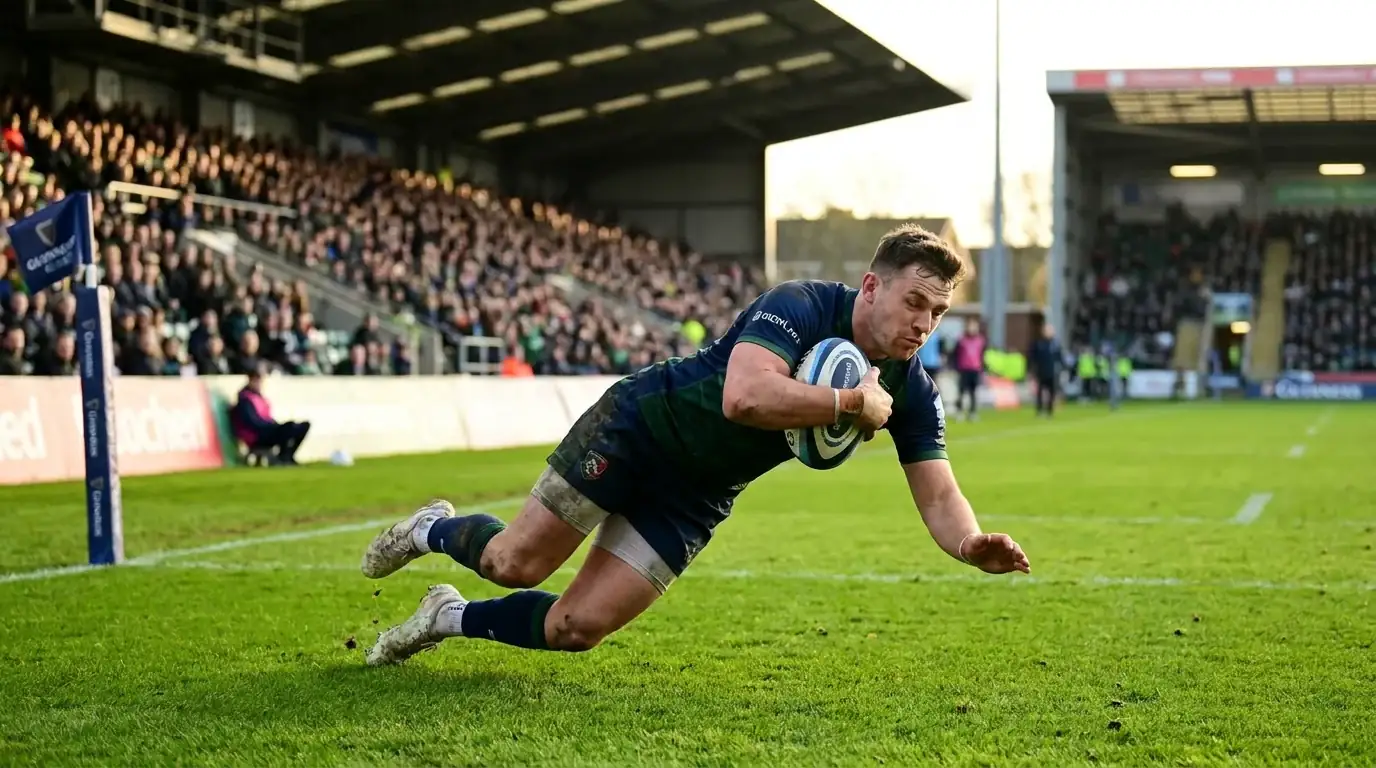
Three seasons ago, I watched a Premiership match where the starting openside flanker crossed for the first try inside four minutes. His odds had been 22/1. The favourite — a winger with nine tries in six matches — stood on the opposite flank and never touched the ball in the opening passage. That single moment taught me more about tryscorer markets than any spreadsheet could: the favourite is obvious, but obvious does not mean profitable.
First tryscorer sits at the top of player-level rugby betting for a straightforward reason. It condenses eighty minutes into a single question — who gets there first? That simplicity drives volume. UK bookmakers collectively process around 290 million online bets per month on real sporting events, and tryscorer markets pull a disproportionate share of rugby-specific wagers because every casual fan has an opinion on who will score next.
The appeal goes deeper than simplicity. Unlike match-winner or handicap markets, tryscorer bets reward knowledge of team structure, set-piece tendencies and attacking patterns. A bettor who understands that a particular side consistently uses a crash-ball centre off first-phase lineout ball has an edge that generic form analysis cannot replicate. That specificity is what keeps me coming back to this market after nine years of analysing rugby data.
How Bookmakers Price First Tryscorer Odds
I once spent a full afternoon reverse-engineering the implied probabilities behind a Six Nations tryscorer market. The overround was 168%. That number tells you everything about how bookmakers approach this bet type — they build in enormous margin because player-level outcomes carry high variance.
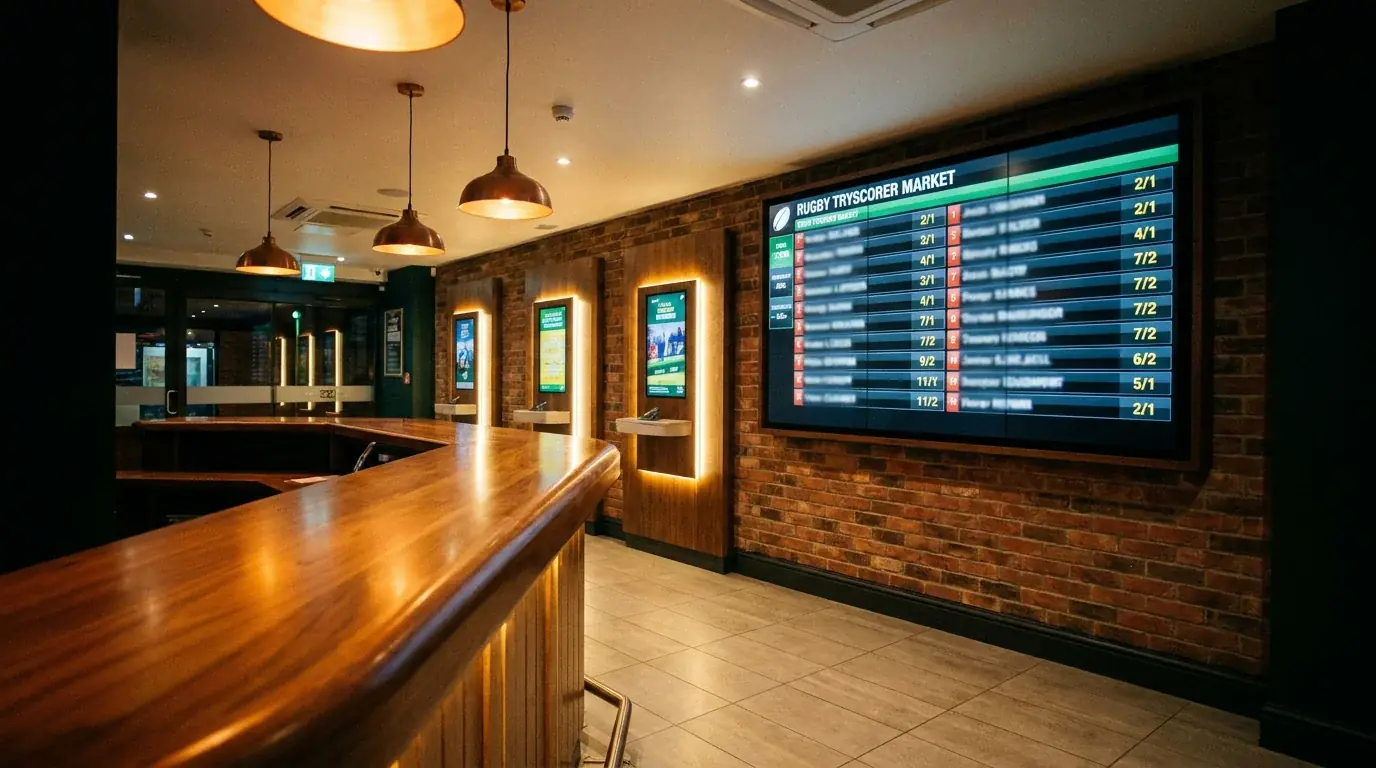
Pricing starts with historical try-scoring rates by position. Wingers and outside centres dominate tryscoring charts across both codes. Bookmakers take a player’s seasonal try rate, adjust for opposition defensive record, factor in whether the match is home or away, and then layer on their margin. The margin on tryscorer markets is typically double what you find on match-winner lines. Where a head-to-head market might carry a 5-6% overround, tryscorer markets routinely sit between 140% and 180%.
That margin is not distributed evenly. The favourite — usually the top-scoring winger in current form — carries a relatively tight price. The real margin inflation happens further down the list, on props, hookers and second-rows whose odds look generous at 25/1 or 33/1 but whose implied probability is far lower than the actual likelihood of them crossing. Sports betting accounts for 57.1% of UK online gambling revenue, and tryscorer markets are a prime example of how operators protect that share through careful pricing architecture.
Bookmakers also react to late team news. A confirmed starting XV that shifts a key playmaker to a different position, or a late injury to a first-choice winger that pushes a fullback onto the flank, can move tryscorer odds significantly in the final hours before kick-off. I have found that the sharpest value windows in this market open between team announcement and kick-off — usually a 48-hour corridor where odds are adjusting but have not fully settled.
Positional Scoring Trends: Wings, Centres and Loose Forwards
Every season I build a positional tryscoring heatmap for the Premiership, and every season the same pattern emerges: wingers score the most tries, but loose forwards score tries at the most valuable odds.
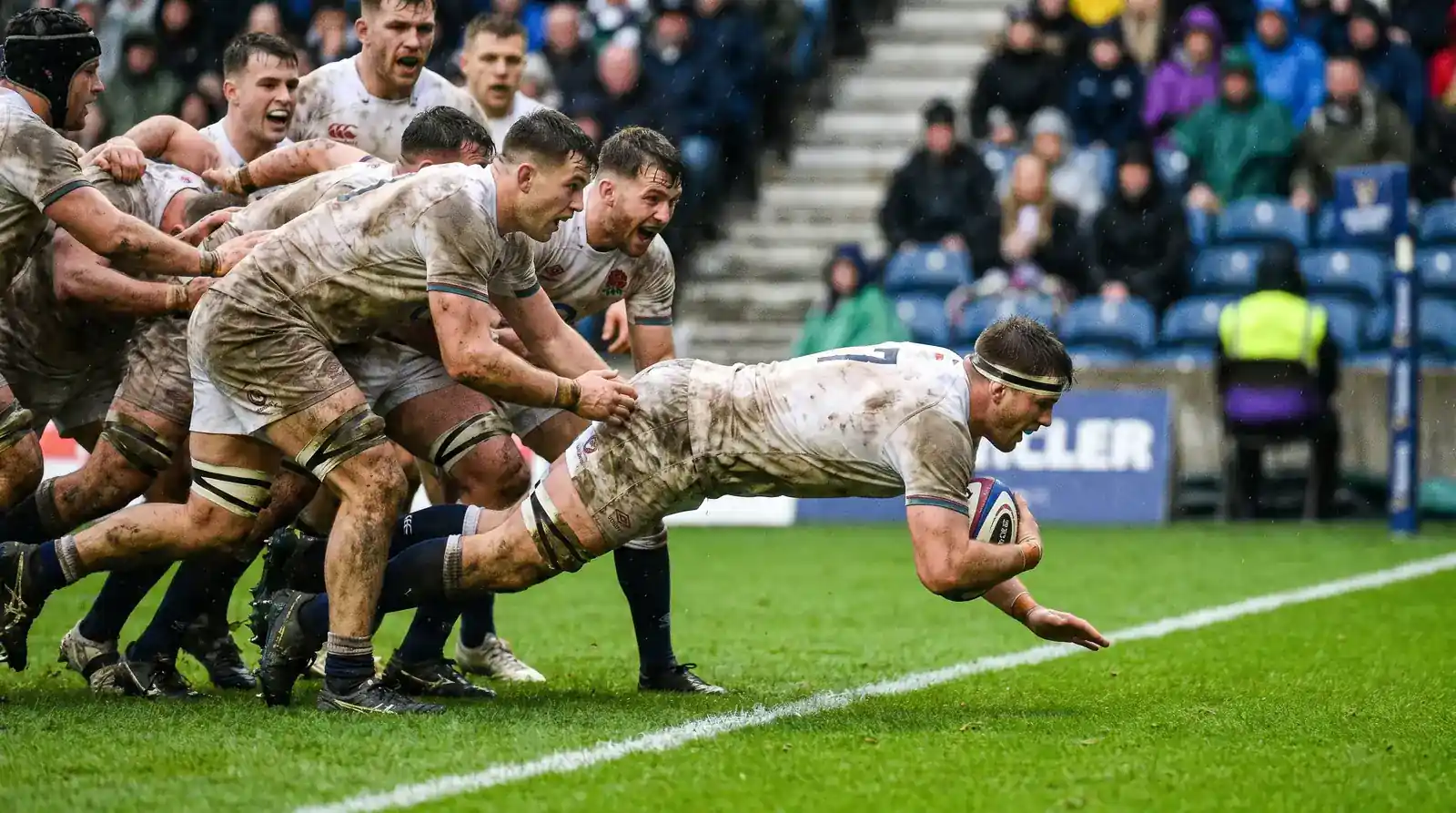

In Union, the back three — fullback, left wing, right wing — account for roughly 55-60% of all tries in a typical Premiership season. That is no surprise; these are the players stationed in space, running onto late passes, finishing overlap situations. Bookmakers know this, and their odds reflect it. A winger averaging a try every two matches will be priced around 5/1 to 7/1 for first tryscorer, which often represents fair value at best once you strip out the margin.
Centres sit in an interesting middle ground. Inside centres in sides that favour a direct, crash-ball game plan score more frequently than their odds suggest. The 12-channel carry off a set-piece is one of the most repeatable attacking patterns in professional rugby. If you track which sides use that structure, you will find centres priced at 12/1 to 16/1 who score first more often than the market implies.
Then there are the loose forwards — flankers and number eights who score from close-range drives, lineout mauls and pick-and-go sequences. Their odds tend to sit between 16/1 and 28/1, yet the average points per match in the Six Nations 2025 was 55, which means tries are frequent and forwards get their share. In matches where the first try comes from a maul or a forward drive inside the 22, the favourite winger was never in contention. Those are the tries that pay.
In League, the positional distribution shifts. Fullbacks score more frequently because of the structured nature of Rugby League attack, where a fullback injection on the last tackle is a standard play. Centres also score at higher rates. The key takeaway for rugby prop bet enthusiasts is that positional trends differ sharply between codes, and the same player-type logic does not transfer cleanly.
Anytime, First and Last Tryscorer — Comparing the Value
I used to default to first tryscorer bets because the odds looked better. Then I ran twelve months of data and changed my mind.

First tryscorer pays the highest individual odds because the outcome window is the narrowest — only one try counts, and it must be the very first of the match. Anytime tryscorer pays lower odds but gives you the entire eighty minutes. Last tryscorer typically mirrors first tryscorer pricing but is harder to predict because fatigue, substitutions and tactical changes in the final quarter introduce more randomness.
Here is the arithmetic that matters. Suppose a winger is priced at 7/1 for first tryscorer and 2/1 for anytime. If that player scores a try in roughly 50% of his matches, anytime at 2/1 represents break-even value before margin. First tryscorer at 7/1 implies he needs to score first in about 12.5% of matches. If his team averages four tries per game and he scores in half those games, his random probability of being first is roughly 12.5% — exactly where the bookmaker wants you, right on the margin line.
My experience over nine seasons points to anytime tryscorer as the more sustainable market for long-term value, simply because the larger sample of qualifying outcomes makes it easier to estimate true probabilities. First tryscorer is where the excitement lives, and where the occasional 20/1 forward try delivers a memorable Saturday. But if you are building a structured approach, anytime is the market where your analysis converts into positive expected value most consistently. The Six Nations 2025 averaged 55 points per match — in high-scoring environments like that, anytime tryscorer markets offer more room to work with because more tries mean more chances for your selection to land.
Timing and Practical Edges
The last lesson I will share on this market is about timing. Tryscorer odds move less than handicap or match-winner lines in response to market money, because the individual nature of the bet means sharper punters tend to focus elsewhere. That gives recreational and semi-serious bettors a rare advantage: you have time to wait for team news without watching the value evaporate.
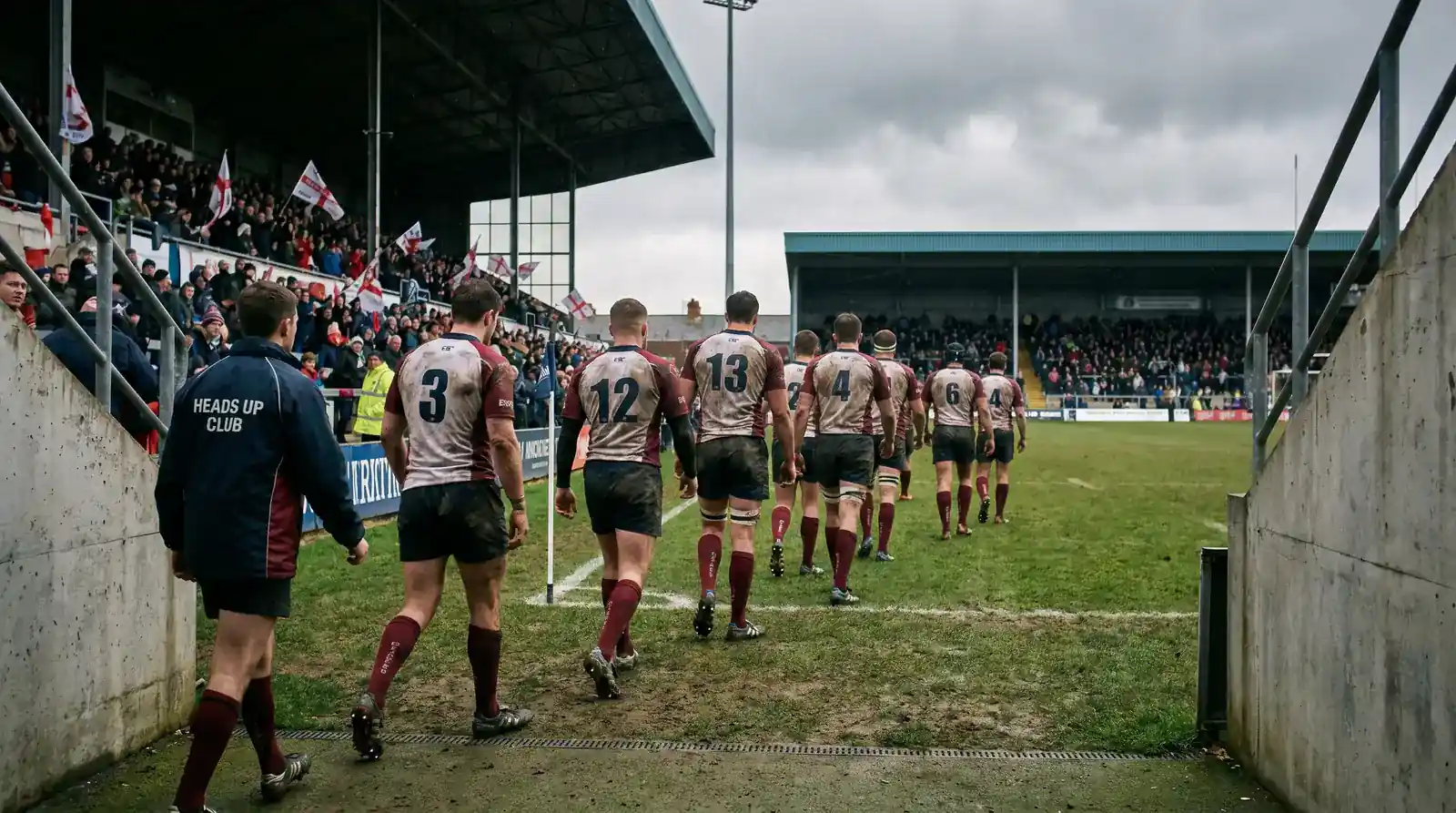
Check the confirmed starting XV. Check the opposition’s defensive record on the edges versus through the middle. Check whether the match conditions favour wide play or a tighter, forward-dominated contest. If rain is forecast and scrums are likely to dominate, the back three’s odds are less attractive regardless of form. If conditions are dry and the attacking side has a dominant lineout, look at the maul options — hooker or number eight off the back.
One more thing: substitution rules matter. If your first tryscorer pick is a player known to be managed on minutes and regularly replaced at 50-55 minutes, your effective window shrinks. First tryscorer bets are void if your player does not take the field, but they are not void if the player starts and gets substituted after the first try has already been scored by someone else. Read the settlement rules carefully — they vary between operators.
What happens to a first tryscorer bet if your player is substituted?
If your selected player takes the field but is substituted before a try is scored, your bet stands and will lose if another player scores first. If your player never enters the match at all, most UK bookmakers void the bet and return your stake. Always check the specific settlement rules, as they can vary between operators.
Is first tryscorer or anytime tryscorer the better value long-term?
Anytime tryscorer generally offers more consistent value because the wider qualifying window — any try in the full match — makes it easier to estimate true probabilities. First tryscorer delivers higher individual payouts but carries more variance. For a structured, data-led approach, anytime is the more sustainable market over a full season.
Published by the Rugby Betting Tips team.