British and Irish Lions Betting: Tour and Test-Match Strategy
 Available in US

The Rarest Event in Rugby Betting: Every Four Years, Three Tests
I have only been through two full Lions cycles as a professional analyst, and each one reminded me that Lions betting is unlike anything else in rugby. You cannot rely on form tables because the team does not exist outside a six-week window. You cannot rely on historical precedent because the opposition, the venue and the squad change every four years. What you can rely on is structure — the structural features of a Lions tour that repeat every cycle and create specific betting dynamics.

The Lions tour is the pinnacle of rugby’s calendar for UK and Irish fans. Three test matches against one of the southern-hemisphere powers, preceded by a series of midweek matches against provincial and invitational sides. The Six Nations 2025 generated $135.24 million in media revenue from broadcast agreements — the Lions tour generates comparable attention over a shorter window, concentrating betting interest into a few weeks rather than spreading it across a two-month championship.
For bettors, the scarcity of the event is both the challenge and the opportunity. Bookmakers have limited data to model from — the previous tour was four years ago, against a different opponent, with a different squad. That modelling difficulty means wider margins and softer lines compared to annual competitions. If you can develop a framework for assessing Lions performance, you enter a market where the bookmaker’s edge is thinner than usual.
Series-Winner Outright: Pricing, Timing and Historical Edge
Series-winner is the headline Lions market, and it opens months before the tour begins. The Lions can win the series, the host nation can win, or the series can be drawn. Three-way markets with a draw option are standard, and the draw is always the longest price because it requires a specific 1-1 split in a three-test series.
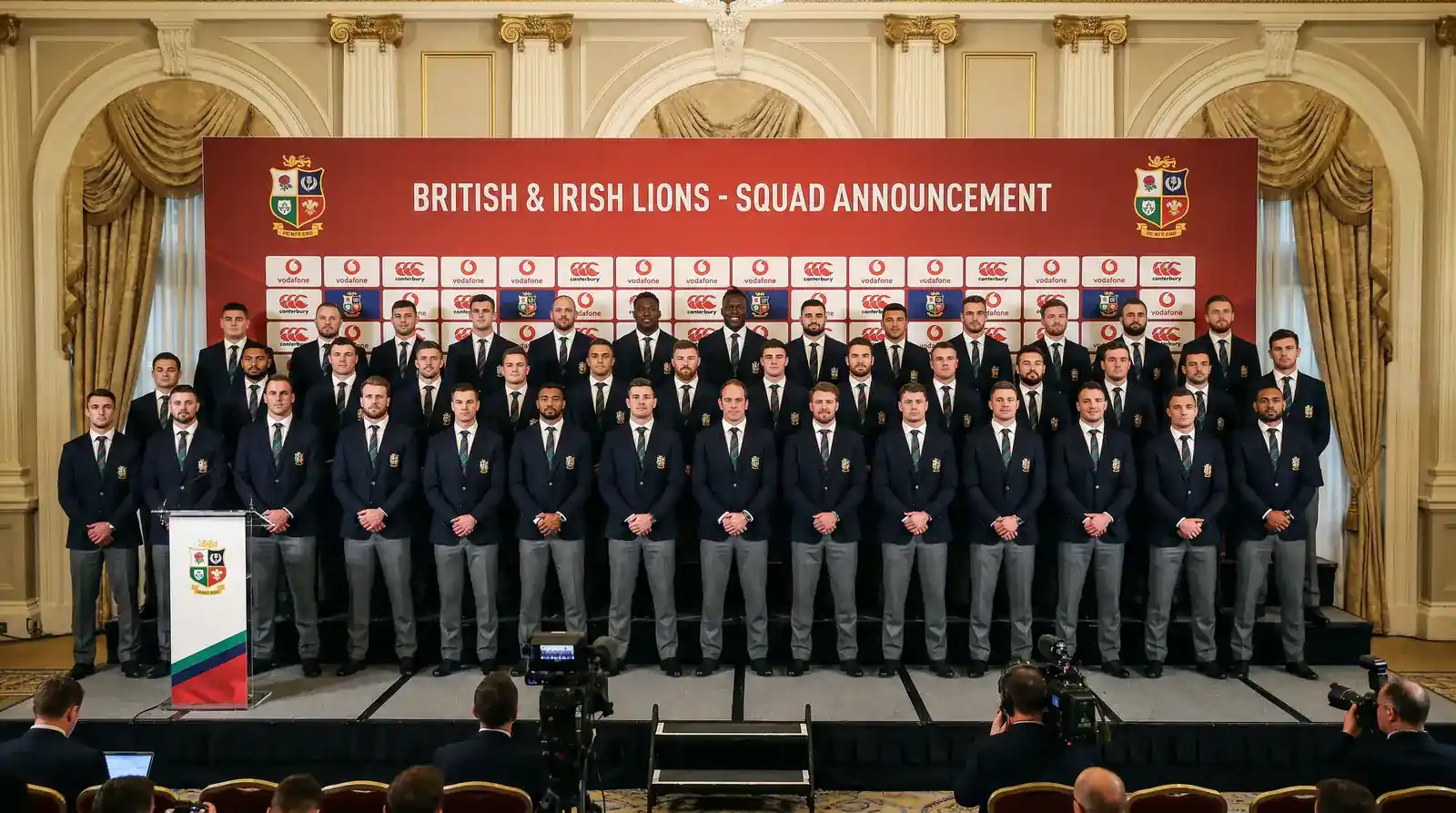
Timing your entry matters enormously. Pre-tour odds reflect world rankings, recent Six Nations form and the perceived quality of the Lions coaching ticket. But the Lions squad is not announced until a few weeks before departure, and the composition of that squad changes the series-winner probability significantly. A Lions squad heavy on forwards from one nation will play a different style from one built around the backline talent of another. The squad announcement is the first genuine information event, and the market adjusts around it.
I place my first outright entry immediately after the squad announcement if the odds have not fully adjusted. I place a second entry — either reinforcing the first or hedging — after the first midweek match, when the coaching staff’s tactical preferences become visible. The first midweek match is a free look at the team shape, the combinations and the game plan, and it happens before the first test. If the market has not updated to reflect what the midweek match reveals, I act.
Historically, the host nation wins the series more often than the Lions. Home advantage in Lions tests is amplified by altitude (in South Africa), climate and travel fatigue. But the Lions have won enough recent series to keep the market competitive. The draw remains underpriced in most cycles because bettors default to picking a side, and the 1-1 series split is more common than its odds suggest.
Individual Test Betting: Jetlag, Altitude and Selection Gambles
Each test match in a Lions series has its own character, and the betting dynamics shift from test to test.

The first test is the most unpredictable. The Lions have had limited time together as a unit, combinations are unproven, and the coaching staff may still be deciding on their best XV. The host nation, by contrast, has its established squad and home-ground advantage. First tests in Lions series tend to be closer than the pre-tour assessment suggests, because the Lions’ talent compensates for their lack of cohesion. I favour tight handicaps and unders in first tests.
The second test carries the highest stakes if the series is level. A side trailing 0-1 must win to keep the series alive, which produces desperate, high-intensity rugby. If the Lions lost the first test, the second test is their elimination match, and the coaching staff will gamble on selection — bringing in impact players, changing the game plan, taking risks that they would not take in a dead rubber. That volatility creates wider-than-normal handicap lines and opportunities for bettors who can read the selection signals.
The third test, if the series is already decided, becomes a dead rubber with reduced intensity. The winning side may rest players; the losing side may experiment. Dead-rubber tests produce unusual results and are treacherous for bettors who apply the same intensity-based model they used for the first two tests. I reduce my stake significantly on dead-rubber third tests, treating them as high-variance, low-conviction plays. The global rugby market is valued at $6.9 billion, and the Lions tour adds a spike to that figure — but the third test rarely justifies aggressive betting unless you have a specific edge in the match-level markets.
Midweek Provincial Matches as a Betting Laboratory
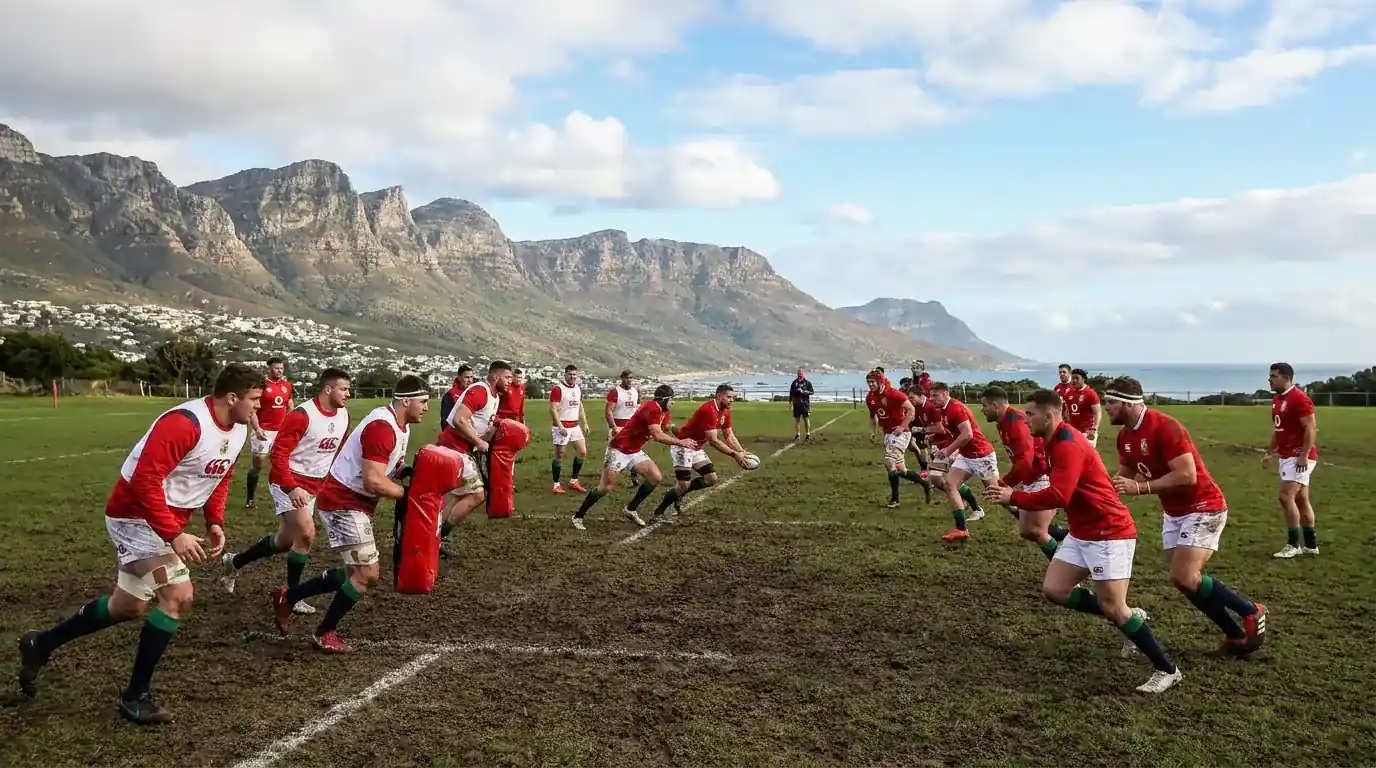
The midweek fixtures between test matches are the hidden gem of Lions tour betting. These matches pit the Lions’ non-test squad against provincial or invitational sides, and they serve a dual purpose: they give fringe players a chance to impress, and they give bettors a data sample on combinations, tactics and player form that feeds directly into test-match analysis.
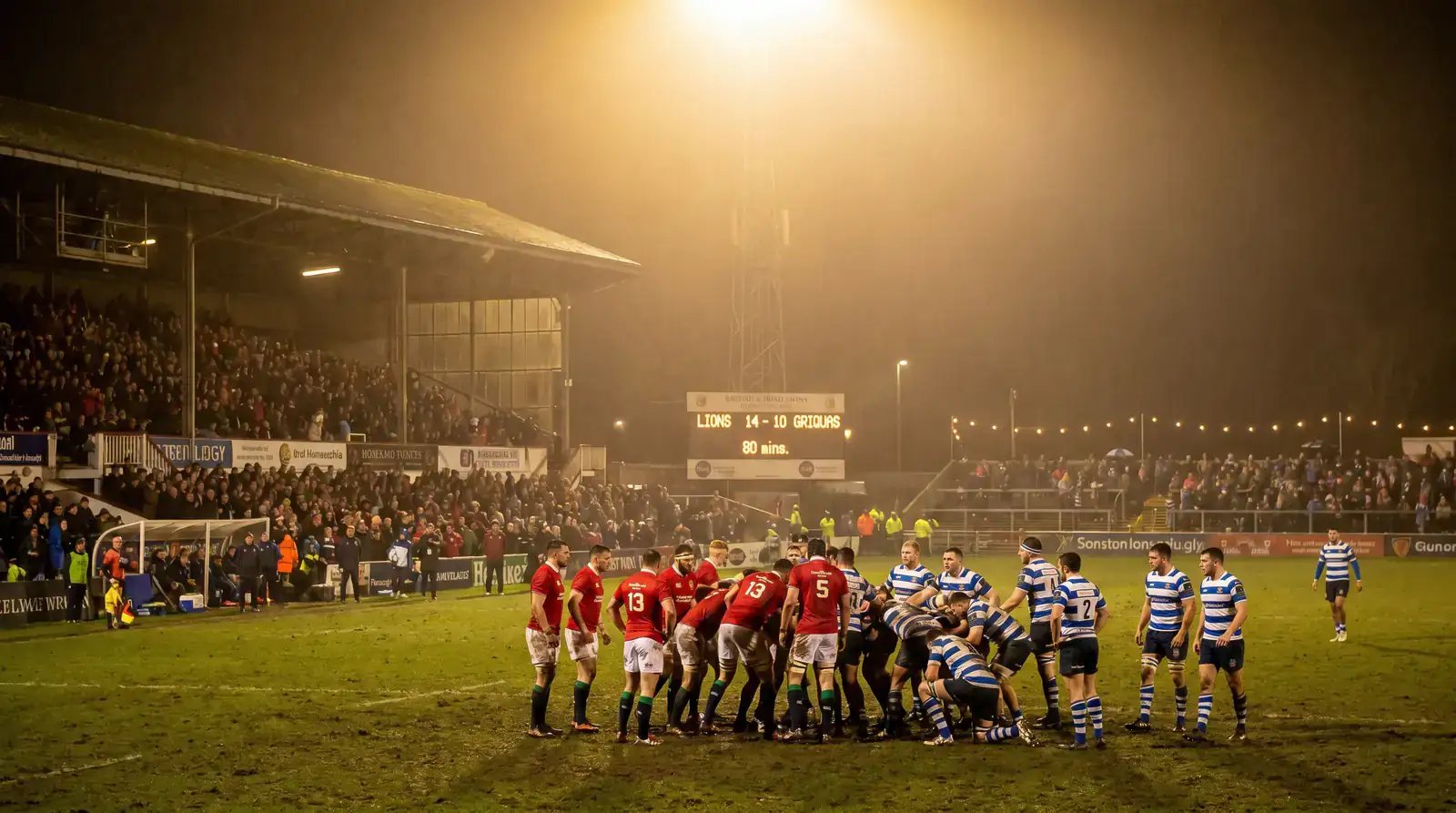
Midweek matches are typically one-sided. The Lions squad, even at non-test strength, is composed of international-calibre players facing provincial opposition. Handicap lines can stretch to 20 or 30 points, and the market is thin — which means pricing is less efficient. I look for value in midweek totals rather than handicaps, because the Lions’ attacking intent in these matches (they want to score tries to build confidence and stake selection claims) produces higher totals than the default line often suggests.
The real value of midweek matches is informational. Watching how the Lions play when the test squad is resting tells you which tactical experiments the coaching staff are trialling. A midweek match where the Lions play a markedly different style from the first test signals a potential game-plan shift for the second test. That signal is available to anyone watching, but few bettors connect it to the test-match market. Doing so is one of the few genuine edges in Lions tour betting. If you are interested in how the Six Nations provides a different but equally structured tournament betting opportunity, Six Nations betting tips covers the round-by-round approach.
Can you bet on Lions squad selection?
Some UK bookmakers offer markets on Lions squad selection before the official announcement, including next captain and player inclusion/exclusion bets. These markets are niche and carry high margins, but they reward bettors who follow the preceding Six Nations and domestic seasons closely enough to anticipate coaching preferences. Availability varies by operator and by tour cycle.
How does venue altitude affect Lions test-match totals?
Altitude affects ball flight, player fatigue and kicking distance. Tests played at high altitude — particularly in South Africa’s inland venues above 1,500 metres — tend to produce higher totals because the thinner air increases ball carry, extends kicking range and accelerates player fatigue in the second half, which opens up defensive gaps. Totals lines for high-altitude tests should be assessed against altitude-adjusted historical averages rather than sea-level norms.
Published by the Rugby Betting Tips team.