Women’s Rugby Betting: An Expanding Market With Overlooked Edges
 Available in US
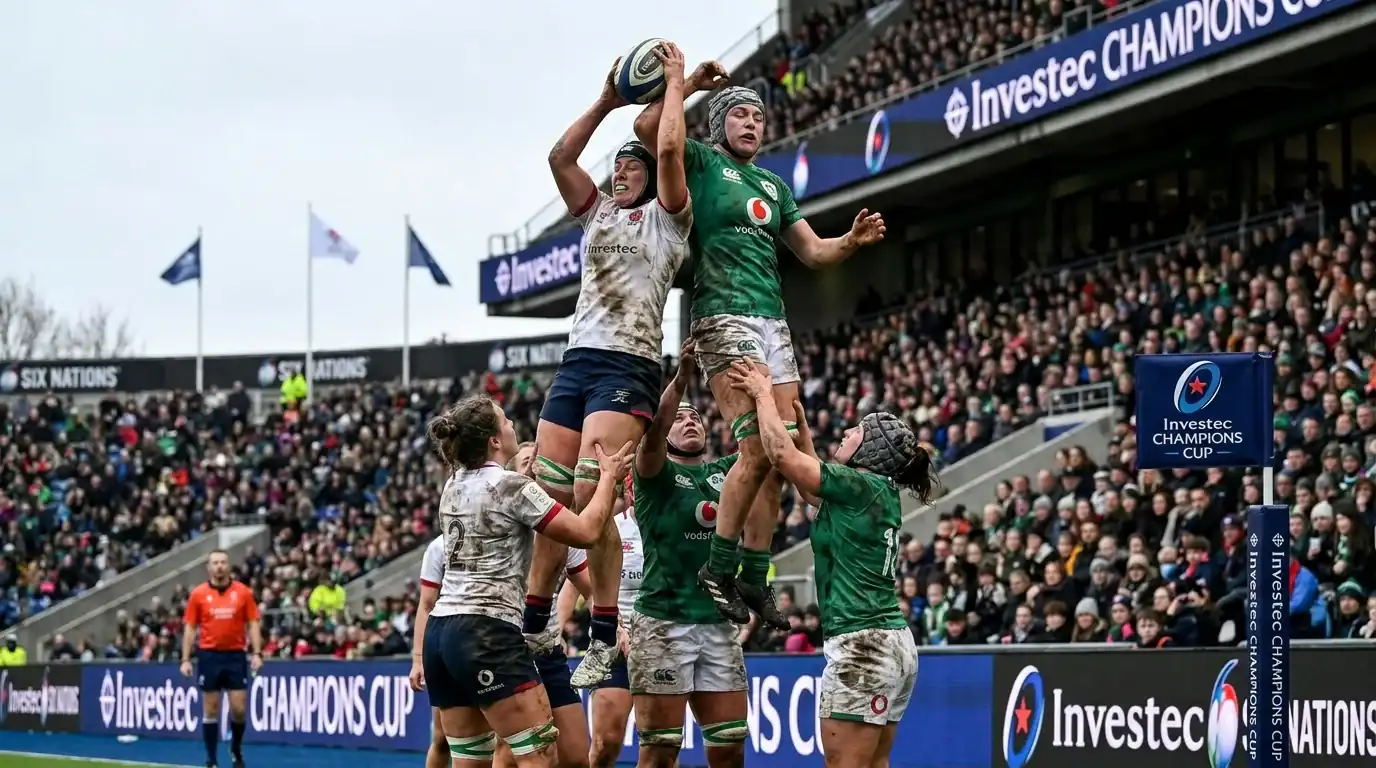
The Market That Most Rugby Bettors Have Not Discovered Yet
Two years ago, I placed my first serious bet on a Women’s Six Nations match. England were heavy favourites against Scotland, but the handicap line felt wrong. I had tracked England’s rotation patterns in comfortable fixtures and knew they rested frontline players when the competitive stakes were low. The bookmaker had not adjusted for the squad announcement. I took Scotland on the handicap at 2.05, and they covered comfortably. That was the match that convinced me women’s rugby deserved the same analytical attention I give to the men’s game.
Women’s rugby betting is growing rapidly, driven by increasing broadcast coverage, expanding tournament schedules and rising public interest. The global rugby market is valued at $6.9 billion and projected to reach $11.9 billion by 2033, and women’s competitions represent one of the fastest-growing segments within that figure. For bettors, the opportunity is not just the growth itself — it is the fact that bookmakers are still developing their pricing models for women’s rugby. The markets are thinner, the data the bookmakers use is less refined, and the edges are wider than in any established men’s competition.
Key Competitions and Calendar for Women’s Rugby Betting
The Women’s Six Nations runs annually, typically in March and April, and is the flagship betting event for women’s rugby in the UK and Europe. England, France, Ireland, Scotland, Wales and Italy compete in a round-robin format identical to the men’s tournament. England have been the dominant force, but France have closed the gap significantly, and the competitive dynamic between those two sides produces the tightest handicap markets in the tournament.

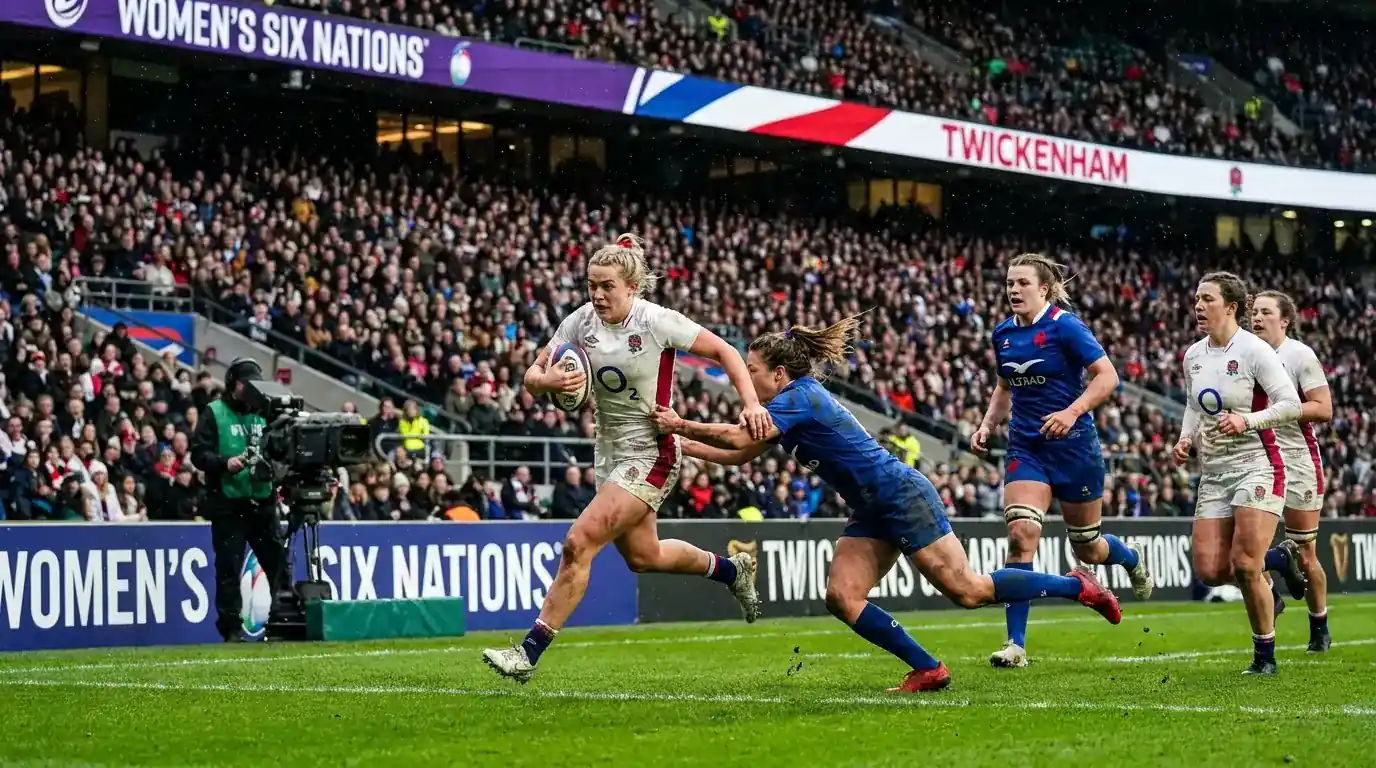
The WXV — World Rugby’s annual competition launched in 2023 — adds an autumn window of international fixtures, with three divisions and promotion/relegation. WXV1 features the world’s top six sides and is the most relevant tier for betting, though bookmaker coverage of WXV2 and WXV3 remains limited. The Women’s Rugby World Cup, held every four years, is the pinnacle of the sport and the event that draws the widest bookmaker market depth.
At club level, the Premiership Women’s Rugby (PWR) in England is the most developed domestic league for betting purposes. Matches are covered by the major UK bookmakers, though market depth is narrower than for the men’s Premiership — typically match-winner, handicap and over/under rather than the full range of prop and player markets. The Top 14 Feminine in France and the Celtic Challenge are also gaining bookmaker coverage.
The calendar is important because it determines when markets are available and where the pricing is least efficient. Early-season PWR fixtures and group-stage WXV matches carry the weakest bookmaker pricing because the data sample is thin and public attention is low. Those are the windows where informed bettors find the widest edges.
Why the Handicap Lines Are Softer Than in Men’s Rugby
The reason women’s rugby handicap lines are less accurate than men’s lines comes down to a single word: volume. UK bookmakers process around 290 million online sports bets per month across all sports. The share that falls on women’s rugby is a fraction of a fraction. Low volume means that bookmaker lines are not stress-tested by the weight of money that forces corrections in men’s markets.

In the men’s Six Nations, a mispriced handicap line is corrected within hours as sharp bettors and syndicates pile in on the value side. In the Women’s Six Nations, a mispriced line can sit uncorrected until close to kick-off because the volume of sharp money on the match is insufficient to move the line. I have seen handicap lines in women’s internationals that would have been corrected by three or four points in the equivalent men’s fixture.
The competitive balance in women’s rugby also creates wider margins between the top and bottom sides. In the Women’s Six Nations, England regularly post winning margins of 40, 50 or 60 points against the lower-ranked sides. Setting accurate handicap lines for those mismatches requires precise modelling of just how dominant the stronger side is on any given day, and that precision is harder to achieve with a smaller historical dataset. When the bookmaker is less certain, the margin they build into the line is wider — and that margin is the bettor’s opportunity.
Analytical Approaches That Transfer from Men’s Rugby
Every analytical framework I use for men’s rugby applies to women’s rugby with minor adjustments. Expected points models, form guides, weather analysis, venue effects and referee tendencies all work because they are structurally driven by the sport itself rather than by the gender of the players.
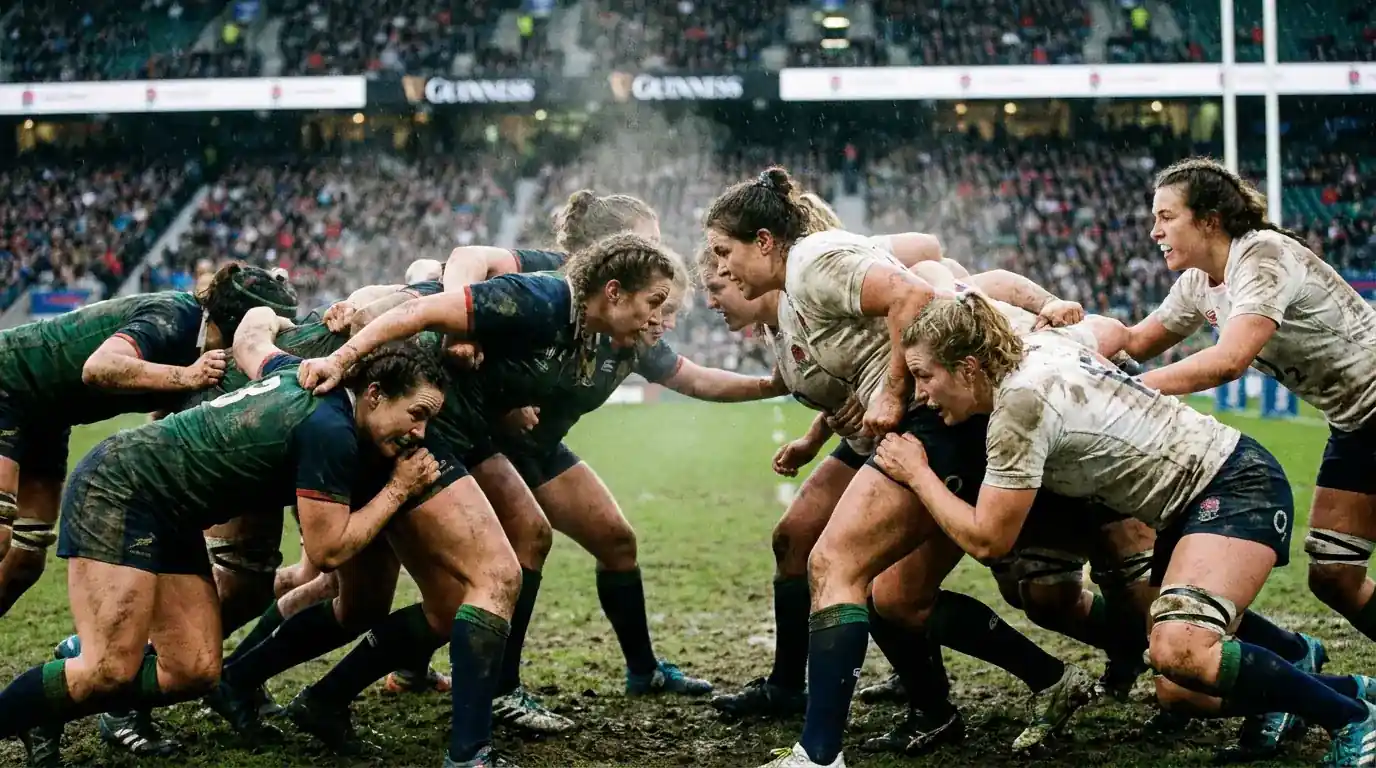
The adjustments are mostly about calibration. Scoring averages in women’s rugby are slightly lower than in men’s rugby at the top level but with wider variance between the strongest and weakest sides. Set-piece dominance is an even stronger predictor of match outcomes in women’s rugby because the physical gaps between packs are sometimes larger. A side with a dominant scrum and lineout can strangle the opposition’s attacking opportunities in a way that is less common in the men’s game, where the quality depth across positions is greater.
Squad depth is the variable where men’s and women’s analysis diverges most. In the men’s Premiership, a first-choice player’s absence might shift the handicap line by 1-2 points. In women’s rugby, the gap between a starting player and her replacement can be considerably larger because professional player development pathways are still maturing. A key absence in women’s rugby carries more weight than the equivalent absence in men’s rugby, and the market does not always fully account for this.
For anyone looking to understand how the autumn calendar creates specific betting opportunities in women’s international rugby, autumn internationals rugby betting covers the hemisphere mismatch and squad experimentation factors that apply equally to both the men’s and women’s game.
Growing Coverage and What to Expect Next
Broadcast investment in women’s rugby is accelerating. The BBC, ITV and TNT Sports have all expanded their coverage of women’s internationals and domestic competitions. That increased visibility drives public interest, which drives betting volume, which eventually drives market efficiency. The window of opportunity for sharp bettors in women’s rugby is open now, but it will narrow as the market matures.

I expect the next three to five years to see significant improvements in bookmaker pricing for women’s rugby as data accumulates and modelling improves. The bettors who build their databases now — tracking scoring averages, form guides, squad depth and competition-specific tendencies — will have a head start when the markets tighten. The analytical work is the same as for any other rugby market. The difference is that the market has not yet caught up, and that lag between information and pricing is where profit lives.
Which bookmakers offer markets on women’s rugby?
The major UK-licensed bookmakers increasingly cover women’s internationals — particularly the Women’s Six Nations and Women’s Rugby World Cup. Premiership Women’s Rugby is offered by several operators but with narrower market depth than men’s fixtures. Coverage is expanding each year, so check your preferred operator before each tournament window for current availability.
Are the handicap lines in women’s rugby less accurate than men’s?
Yes. Lower betting volume means less price discovery, so handicap lines in women’s rugby are typically less refined than in men’s competitions. The competitive imbalance between top and bottom sides in tournaments like the Women’s Six Nations also makes precise handicap-setting harder. These factors combine to create wider edges for bettors who analyse women’s rugby with the same rigour applied to men’s markets.
Prepared by the Rugby Betting Tips editorial staff.