Rugby Sevens Betting: Fast Format, Different Rules, Unique Value
 Available in US
Seven Minutes Per Half Changes Everything About Betting
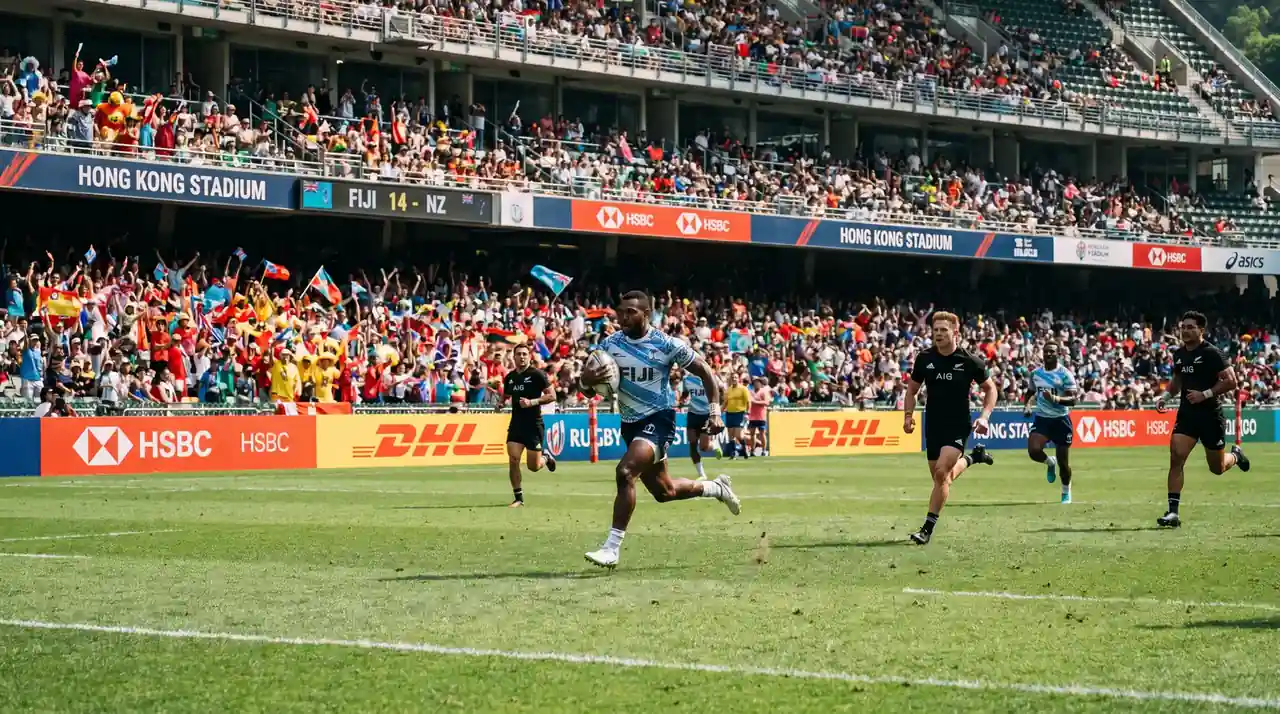
I attended my first live sevens tournament at Twickenham years ago expecting a casual afternoon. By the second round of pool matches, I was recalculating every assumption I had about rugby betting. In fourteen minutes, a team can swing from a 19-0 deficit to a 21-19 lead. The variance is extreme, the turnarounds are constant, and the scoring volume per minute dwarfs anything in the fifteen-a-side game. Sevens is not just a shorter version of rugby — it is a format where the betting dynamics are fundamentally different.
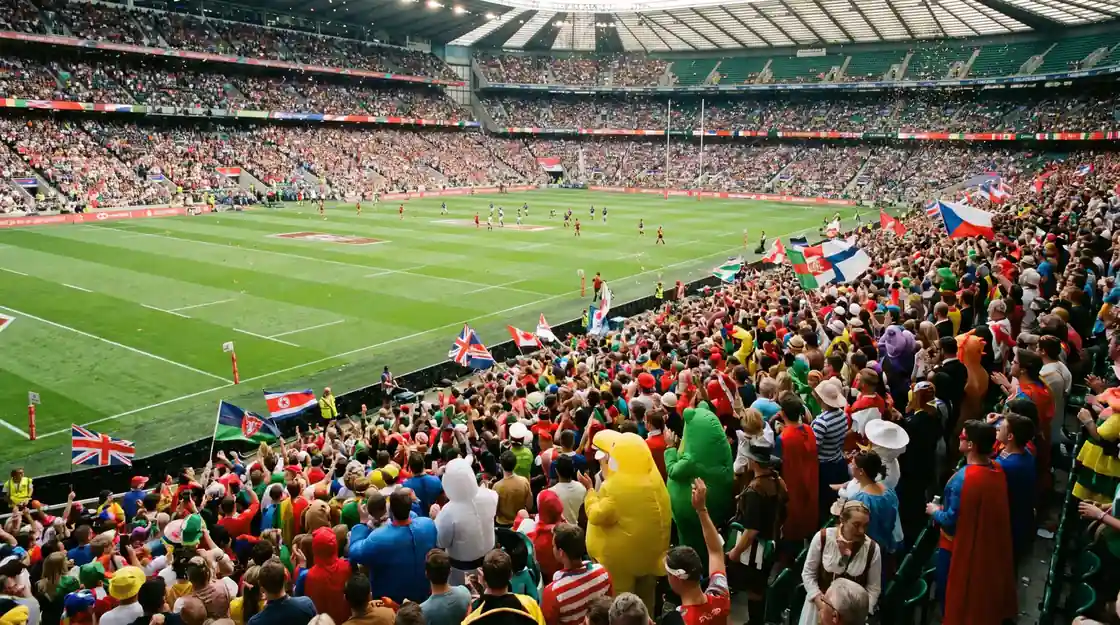
The SVNS circuit — World Rugby’s top-tier sevens competition — runs across multiple tournament weekends throughout the season, with each event condensed into two or three days. Teams play three pool matches on day one, then progress to knockout rounds on day two. That compressed schedule produces six to eight matches per team per weekend, and the cumulative fatigue across those matches is the single most important variable for sevens bettors. The global rugby market stands at $6.9 billion, and sevens contributes a growing share as the format gains mainstream visibility through Olympic inclusion and standalone broadcast deals.
Tournament Format: Pools, Knockouts, Multiple Matches per Day
The SVNS format creates specific betting conditions that do not exist in fifteen-a-side rugby. Each tournament consists of pool-stage matches followed by a knockout bracket, all compressed into a weekend. The pool stage determines seeding, and the knockout rounds — quarter-finals, semi-finals, final — follow immediately.

Pool matches are where the most value sits. Bookmakers set lines for pool matches based on overall squad quality and world rankings, but they underweight the schedule effect. A team playing its third pool match in eight hours is not the same team that played the first match fresh. Fatigue accumulates rapidly in sevens because the physical demands per player are higher — seven players covering the same pitch that fifteen normally occupy. By the third pool match, sides with shallow squads visibly deteriorate: handling errors increase, tackle completion drops, and the scoring pattern shifts toward the fresher side.
Knockout matches on day two introduce a different dynamic. Both sides have played three pool matches the previous day, so the fatigue baseline is similar. The difference becomes squad depth and recovery capacity. Established sevens nations — Fiji, New Zealand, South Africa, Argentina — maintain dedicated sevens programmes with deep squads. Developing nations may have only twelve or thirteen specialist sevens players, meaning the same individuals play every minute of every match. That depth gap is the clearest predictive signal in knockout-round sevens betting.
The global sports betting market at $125.12 billion in 2026 reflects expanding interest in niche formats, and sevens is a beneficiary of that trend. More bookmakers now offer comprehensive sevens markets, but the pricing models for sevens remain less sophisticated than for fifteen-a-side, which is exactly why value exists for bettors who understand the format’s unique demands.
Squad Depth and Day-Two Fatigue as Betting Factors
Squad depth in sevens is not about having a large roster — it is about the quality gap between the starting seven and the replacements. A team whose five substitutes are close in ability to the starting players can rotate effectively across six or seven matches. A team whose bench drops significantly in quality is forced to overplay its starters, and the compounding fatigue becomes a measurable disadvantage by the knockout rounds.


I track minutes played per player across SVNS tournaments. The data reveals clear patterns: teams that spread minutes more evenly across their squad perform better in day-two knockout matches. Teams that rely on two or three star players for the majority of minutes tend to fade in semi-finals and finals. That fading is visible in try-scoring rates, which drop for fatigue-affected sides in the second half of knockout matches.
The practical application is straightforward. Before a knockout-round match, check how many minutes each team’s key players have logged across the pool stage. If one side’s playmaker has been on the pitch for the entirety of three pool matches (42 minutes total) while the other side’s equivalent has been rested for one full match (28 minutes), the fresher side has a meaningful edge that the handicap line may not fully capture.
Markets That Suit Sevens: Totals, Handicaps and Outrights
Totals markets are the most natural fit for sevens betting because the format produces high and variable scoring. A typical sevens match between two competitive sides produces a combined total of 30 to 50 points in fourteen minutes. The per-minute scoring rate is dramatically higher than in fifteen-a-side rugby, and the variance around the mean is wider because a single line break in sevens often produces a try — there are fewer defenders to cover.

I prefer totals in sevens to handicaps because the match-to-match variance in sevens results makes handicap predictions less reliable. A side that wins by 20 points in one pool match can lose by 10 in the next if fatigue, a red card or a single moment of brilliance shifts the balance. Totals are more anchored to structural factors — the quality of both attacks, the defensive intensity, the stage of the tournament — and therefore more predictable over a sample.
Outright tournament-winner markets carry significant value in sevens because the knockout format produces upsets. The favourite for a SVNS tournament event wins approximately 25-30% of the time. Compare that to domestic fifteen-a-side leagues, where the favourite enters the play-offs winning 50% or more. The higher upset rate in sevens means outright favourites are frequently overpriced, and the field — particularly second-tier contenders like Argentina, Australia or Ireland — offers value at longer odds. For a complementary perspective on how World Cup tournament dynamics create similar outright opportunities, Rugby World Cup betting tips covers the longer-form knockout experience.
Reading the Sevens Calendar for Betting Timing
Not all SVNS events are equal from a betting perspective. Early-season tournaments — the first two or three events — feature squads finding their rhythm, with more experimentation and less form data available. Late-season tournaments, particularly the final event and any Olympic qualification-linked events, carry maximum intensity and produce results more closely aligned with quality rankings. I increase my sevens betting volume in the second half of the season, when the data sample is richer and the stakes compress the form variance.
Is rugby sevens betting available at all major UK bookmakers?
Most major UK-licensed bookmakers now offer sevens betting for SVNS circuit events, including match-winner, handicap and totals markets. Coverage varies between operators — some offer full tournament outrights and tryscorer markets, while others limit their sevens offering to match-level bets. Availability tends to increase for Olympic sevens tournaments, which attract wider public interest.
Why do sevens matches tend to produce higher combined scores per minute?
Seven players cover the same pitch as fifteen, which creates significantly more space. Line breaks are harder to cover, overlaps develop more frequently, and a single missed tackle often results in a try. The two-half structure of seven minutes each also encourages attacking intent from the start, because teams cannot afford to build slowly in a fourteen-minute match. The combined effect is a per-minute scoring rate roughly three to four times higher than fifteen-a-side rugby.
Written by the editors at Rugby Betting Tips.